

Türkiye's Energy Strategies on the Road to Net Zero 2050
The 2050 net zero emissions target is no longer a global commitment but a necessity for securing the continuity of ecosystems. Energy systems based on fossil fuels deepen the climate crisis while at the same time creating economic dependency and energy security risks. The energy transition is not only a matter of combating climate change; it is also a matter of economic resilience, social welfare and technological competitiveness. For Türkiye, the 2053 net zero target is both a climate imperative and a strategic opportunity. Because Türkiye is a country dependent on imported energy, a large part of its foreign trade deficit stems from energy. The energy transition should therefore be seen as an opportunity for Türkiye.
Four main focus areas stand out in energy strategies for reaching the 2050 net zero target:
- Reducing demand through energy efficiency
- Accelerating the energy transition through renewable energy and electrification
- Using alternative fuels and/or applying carbon capture technologies in sectors that are hard to decarbonise
- Neutralising unavoidable emissions through nature-based solutions and carbon offsetting mechanisms
Investments in electrification, renewable energy, nuclear technologies, green hydrogen and energy storage play a critical role in the energy transition. In industrial facilities in particular, the first action to be taken in the short term should be to increase energy efficiency. The cleanest energy is the energy that is never generated. As electrification increases, together with digitalisation and the use of efficient systems, reductions will be achieved in the energy demand of equipment. It is important to meet the electricity demand arising from electrification from renewable sources; if it is met from fossil sources, an increase in emissions is inevitable.
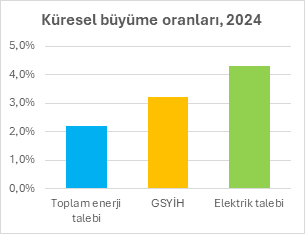
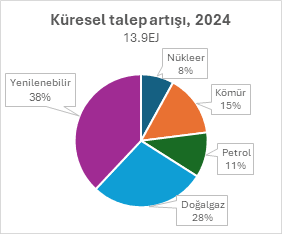
In 2024 total global energy demand rose by 2.2%, while electricity demand rose by 4.3%. The rise in electricity demand stemmed from the increase in electricity-intensive appliances (air conditioners and the like), electricity-intensive production, digitalisation, data centres and artificial intelligence, together with the spread of electrification. 38% of this increase in demand was met from renewable sources. China holds the largest share of the world’s installed solar power capacity at 60%, and increases its renewable energy capacity with each passing day. Thanks to technologies that have advanced particularly in recent years, the costs of PV panels have fallen considerably and have become competitive with fossil fuels. The fall in renewable energy costs as technology advances is accelerating the energy transition process.
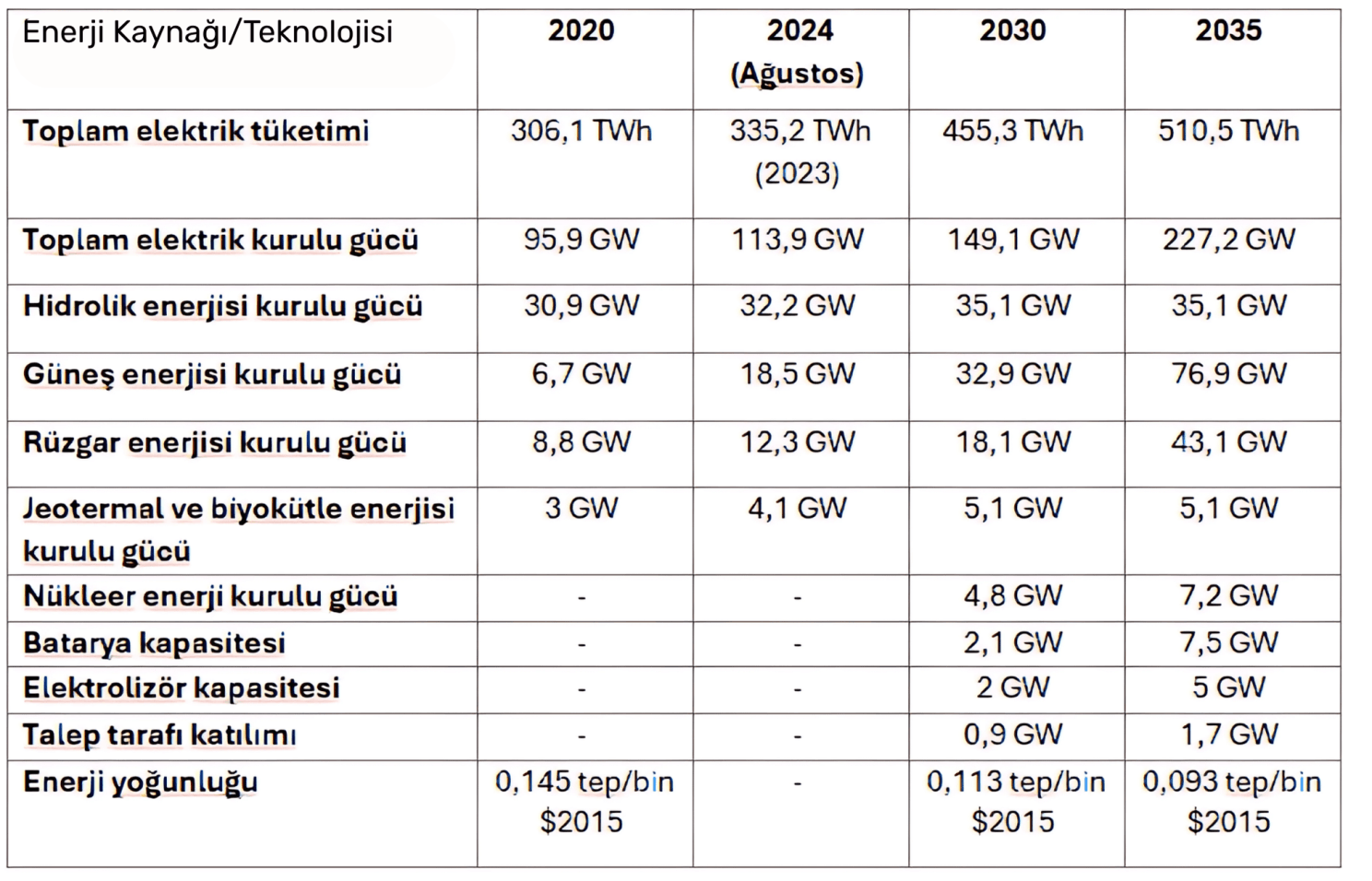
In Türkiye in 2024, 35.2% of our electricity generation was obtained from coal, 18.9% from natural gas, 21.5% from hydropower, 10.5% from wind, 7.5% from solar, 3.2% from geothermal energy and 3.2% from other sources (Source: T.C. Enerji Bakanlığı). Türkiye’s installed solar power capacity exceeded 19 GW as of the end of 2024. As costs fall, installed solar and wind capacity is planned to be increased to approximately four times its level in 2035, and the foreign trade deficit is expected to narrow as a result. The growth of renewable capacity in line with rising energy demand also requires investment in grid infrastructure to be increased at the same time.
The use of energy storage systems has become a necessity, particularly as a result of the increase in renewable energy generation. At the same time, the transition to electric vehicles is accelerating the spread of battery technologies. However, since the limited reserves of lithium, the element widely used in current batteries, may create supply risks in the future, the development of alternative battery technologies such as sodium-ion is becoming an integral part of long-term strategies.
Small modular reactors (SMRs), thanks to their low cost and flexible structure, will play an important long-term role particularly in securing regional energy supply. Fusion technologies, on the other hand, have the potential to revolutionise energy systems as a carbon-neutral, high-capacity energy source once they reach commercial scale. The development of these two technologies will make critical contributions to balancing the variable output of renewable sources and to guaranteeing long-term energy supply.
Hydrogen stands out as a strategic energy carrier that can be used in the long term in place of fossil fuels, particularly in industrial processes where electrification is not technically possible. Hydrogen has a low molecular weight and exhibits a high degree of diffusivity compared with natural gas. Even so, while the fact that it can be stored under suitable conditions makes hydrogen an attractive alternative, the high costs of current technologies limit its use. As electrolyser technologies develop and energy efficiency improves, green hydrogen is expected to become a more widespread energy solution in the future. Alternative technologies are also being studied, such as converting hydrogen into derivatives like ammonia in order to overcome its storage and transportability difficulties. In addition, as an alternative to electric vehicles, hydrogen internal combustion engine technologies are also being developed by overcoming hydrogen’s technical difficulties (low density, difficulty of combustion control, high temperature and the like).
Bio-based fuels such as biomass, biogas and biodiesel also play a critical role in the energy transition. Türkiye’s agricultural production capacity and waste potential provide a strategic advantage in this area. Using agricultural waste in biogas production and waste oils in biodiesel production both reduces carbon emissions and creates new sources of income for rural economies.
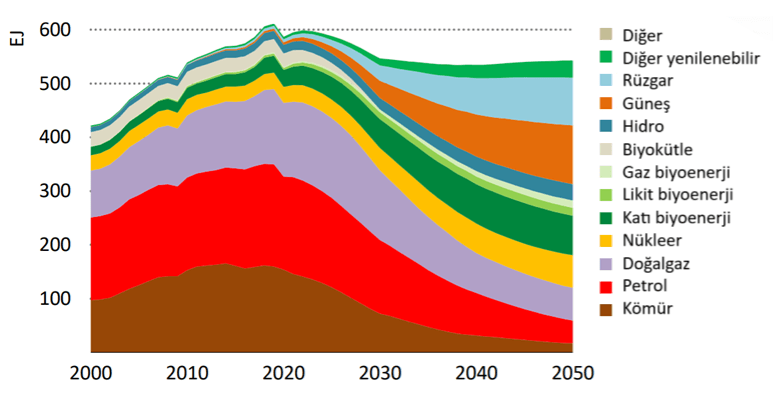
Reaching the net zero target is not only a process of combating climate change; it is also a holistic process that transforms economic development models and social structures. Türkiye’s 2053 net zero vision offers a historic opportunity in terms of reducing external dependency, securing energy supply and supporting sustainable growth. Energy efficiency investments, an increase in renewable capacity, the strengthening of grid infrastructure, the transition to alternative fuels and the implementation of next-generation technologies are of critical importance in reaching this target. A successful energy transition will enable Türkiye both to protect its ecosystems and to increase its competitiveness in the global energy arena.
At Metsims, we contribute to organisations’ sustainability journeys by providing them with the support they need at every stage of this transition process.